
Tucson Epoxy Elite
Industrial Floor Coatings in Tucson, AZ
Industrial floor coatings in Tucson, AZ resistant to chemicals, heat, and heavy equipment. Containment and process area systems. Free estimates.
- 15+ Years local experience
- 500+ Projects completed
- Licensed & Insured
Serving Tucson and nearby communities.
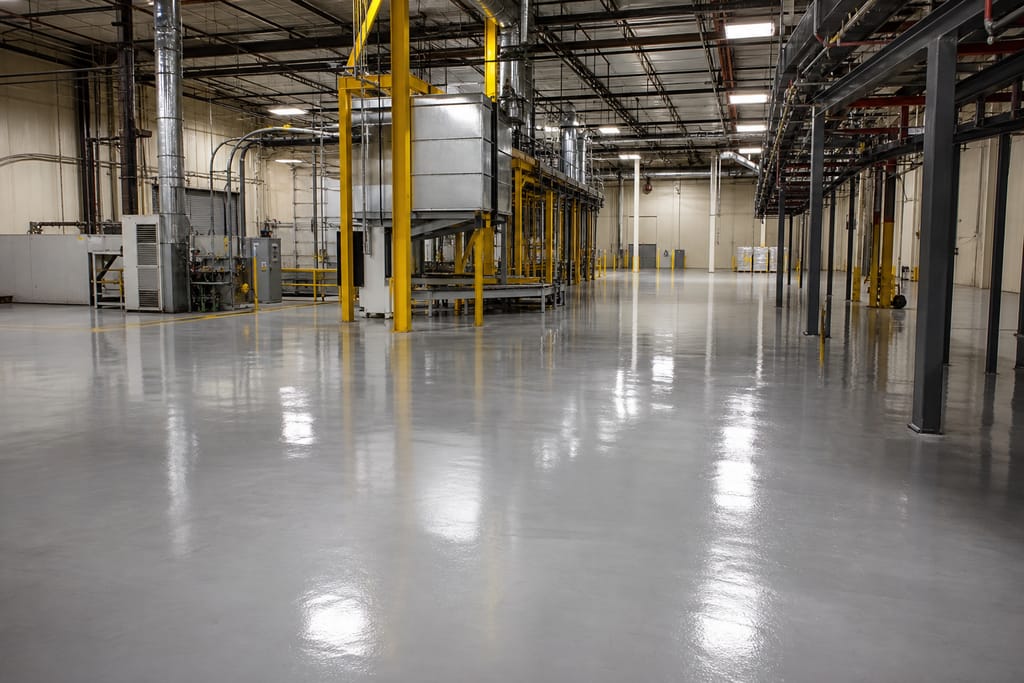
Industrial floors in Tucson deal with a harder set of problems than retail or garage spaces, acids, solvents, heat near equipment, and heavy machinery loads that a standard coating isn't built to survive. Tucson Epoxy Elite specs industrial systems by zone, matching the coating to whatever that specific area of the facility actually gets exposed to, not a one-size-fits-all approach across the whole plant.
Process areas, containment zones, and equipment bays each need different coating chemistry, and getting that match wrong is what leads to early coating failure in industrial settings.
What's included
What's included with Industrial Floor Coatings
Typically included: process area evaluation, aggressive surface prep, chemical-resistant primer, multi-layer coating build-up, and containment area detailing. Optional: secondary containment liners, heat-resistant zone coating, and static-dissipative flooring for sensitive equipment areas. Customer prep: clear and shut down equipment in the work zone, and coordinate with us on any process area access restrictions.
Want a clearer scope?
Get a Free EstimateHow it works
How our Industrial Floor Coatings process works
 Step 1
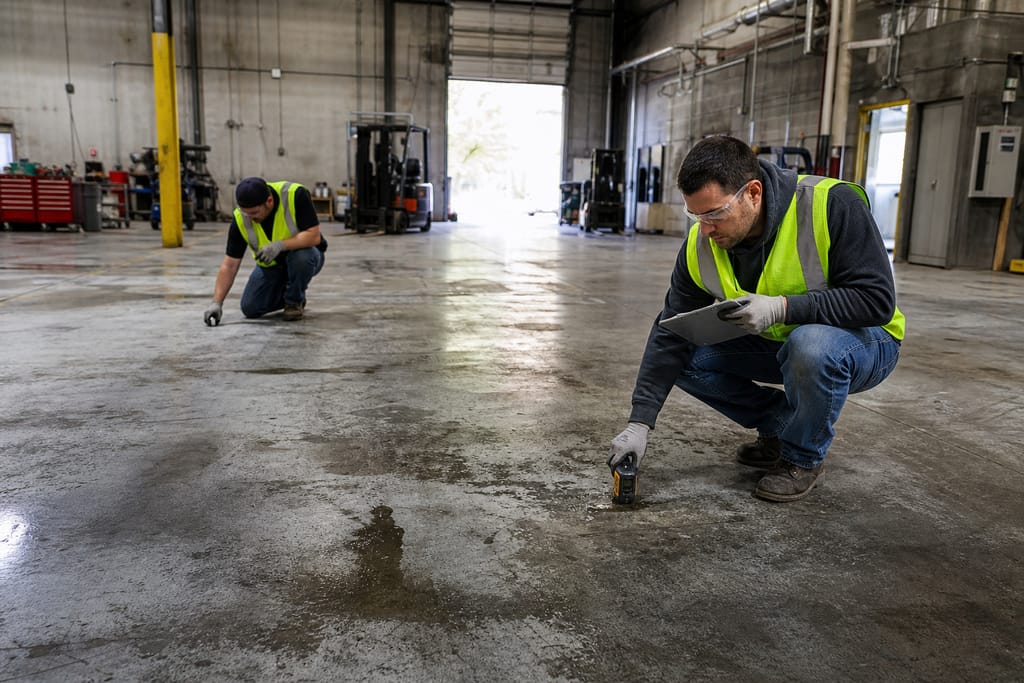
Process Area Evaluation
Each zone gets assessed individually for chemical exposure, heat, and equipment loads before specing a system.
 Step 2
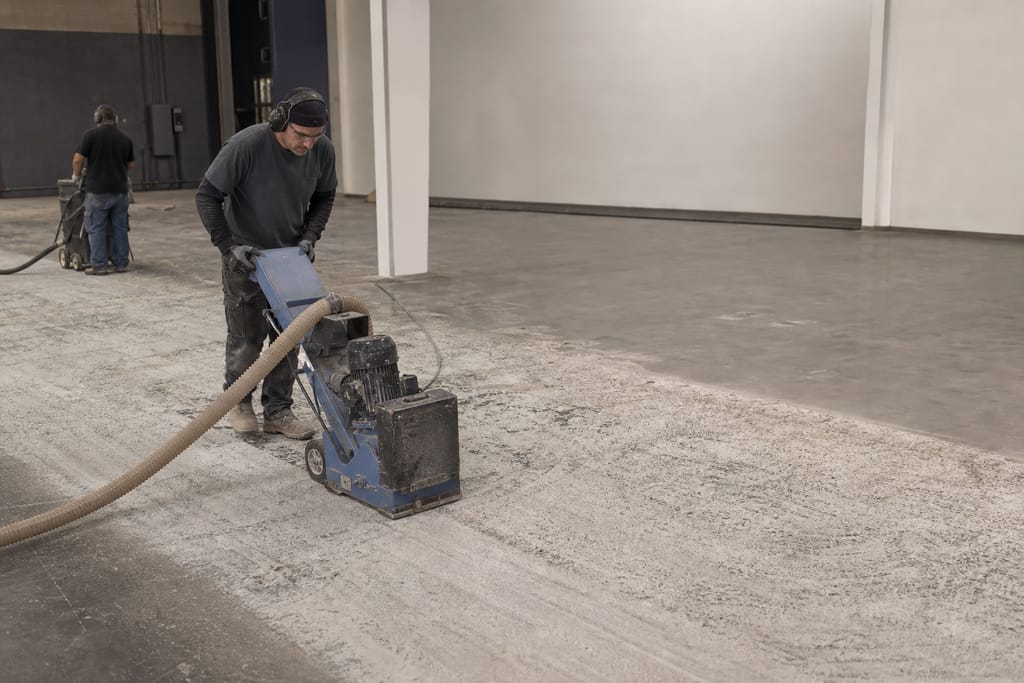
Aggressive Surface Prep
Shot blasting or heavy grinding strips contamination and old coatings down to sound concrete.
 Step 3
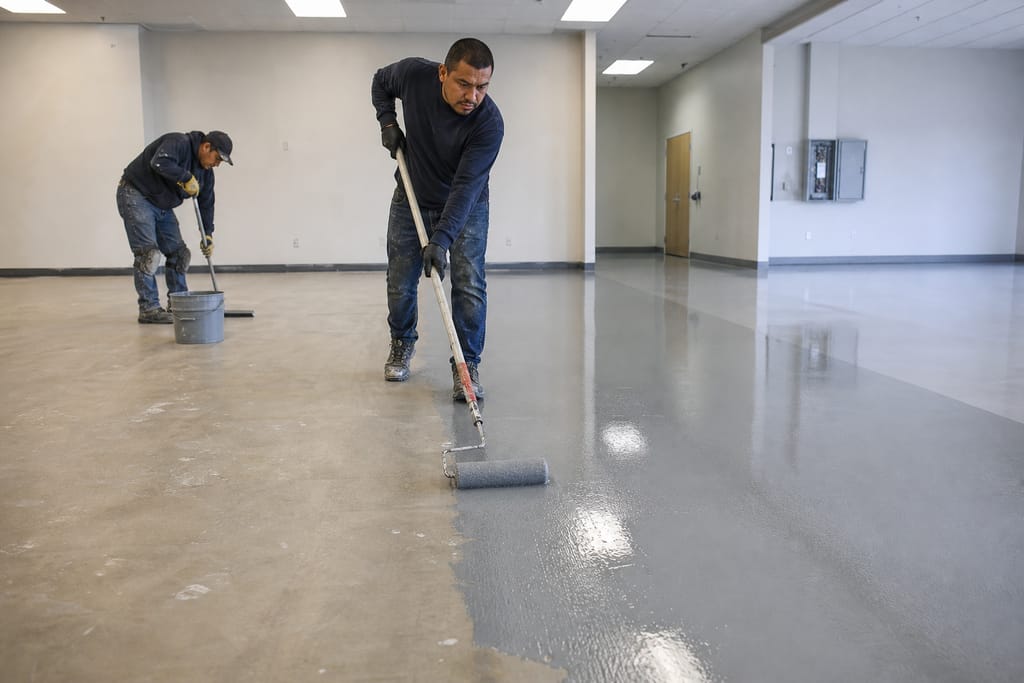
Chemical-Resistant Primer
A specialized primer goes down first to resist whatever substances that zone is exposed to.
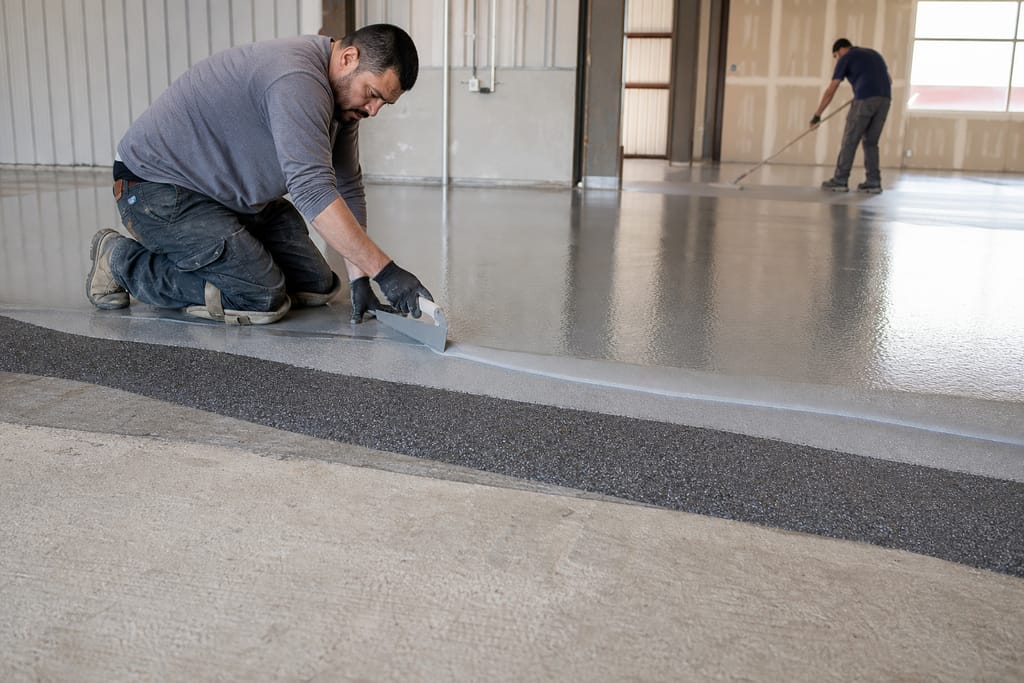 Step 4
Multi-Layer Build-Up
Multiple coating layers build to the thickness and strength required for the specific process area.
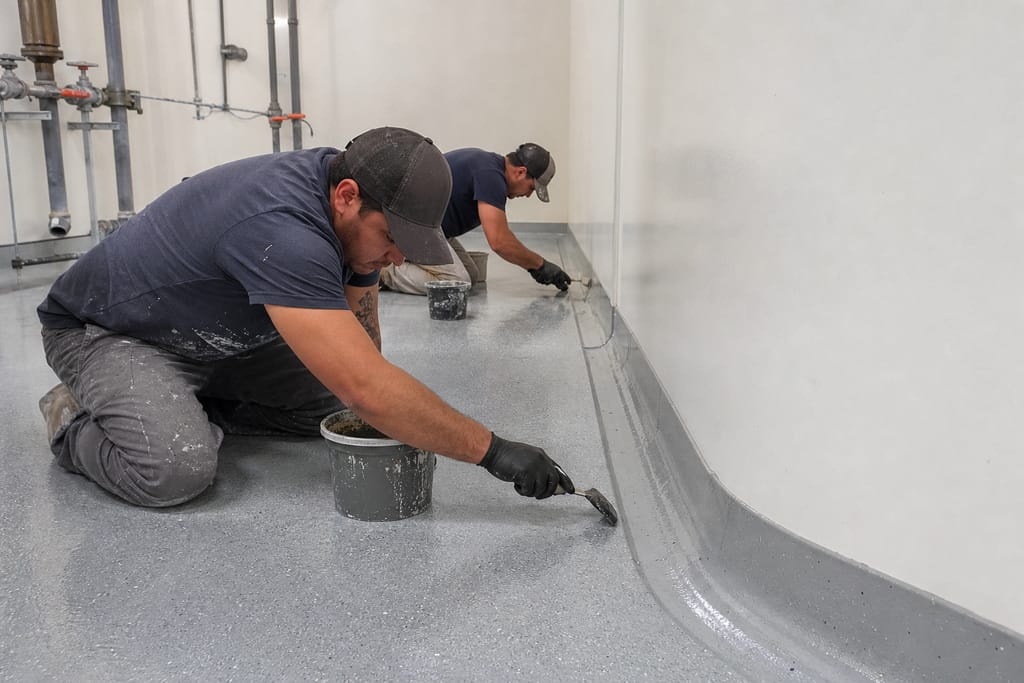 Step 5
Containment Area Detailing
Coved bases and containment zones get detailed carefully to control spills at the source.
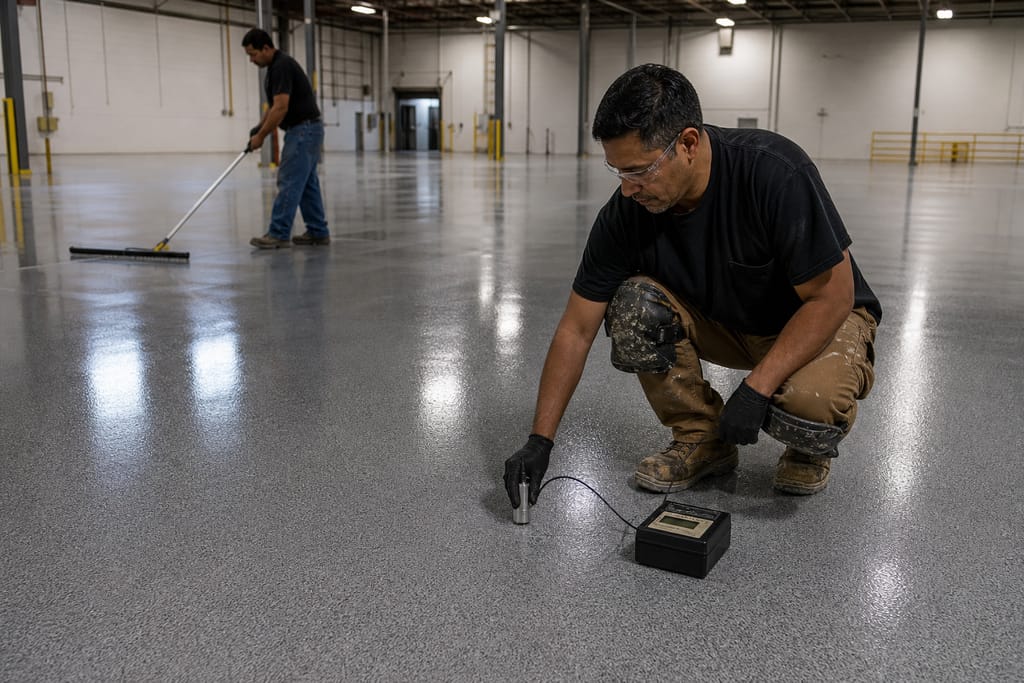 Step 6
Extended Cure & Testing
The system cures fully and gets tested for adhesion and resistance before operations resume.
Materials
Materials and methods for Industrial Floor Coatings
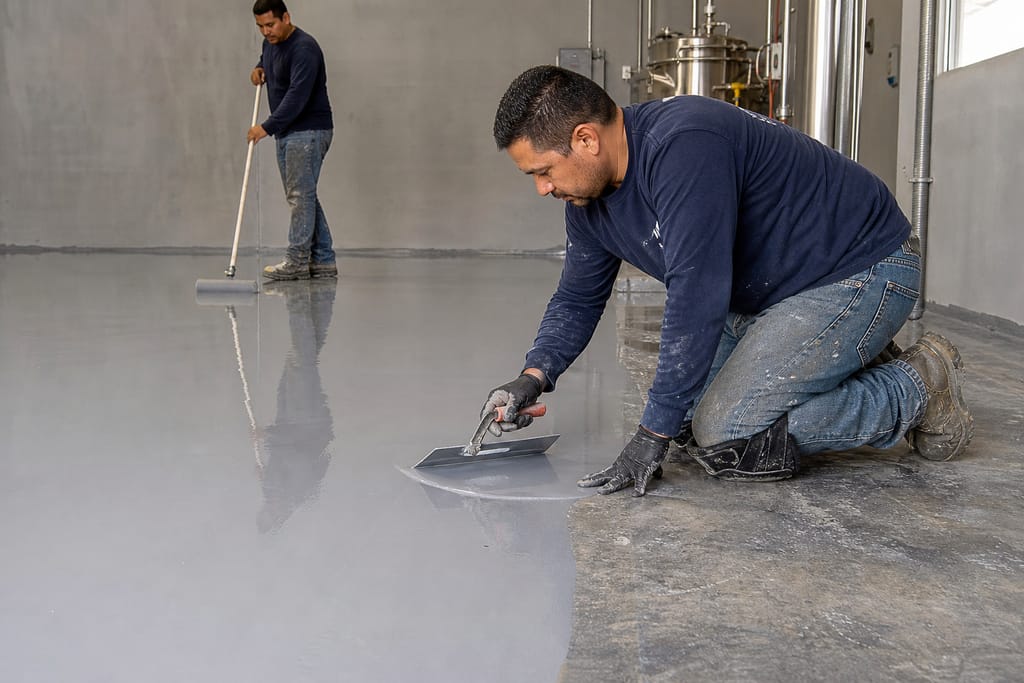
Chemical-Resistant Epoxy
Engineered to hold up against acids, solvents, and industrial substances specific to the facility's process.
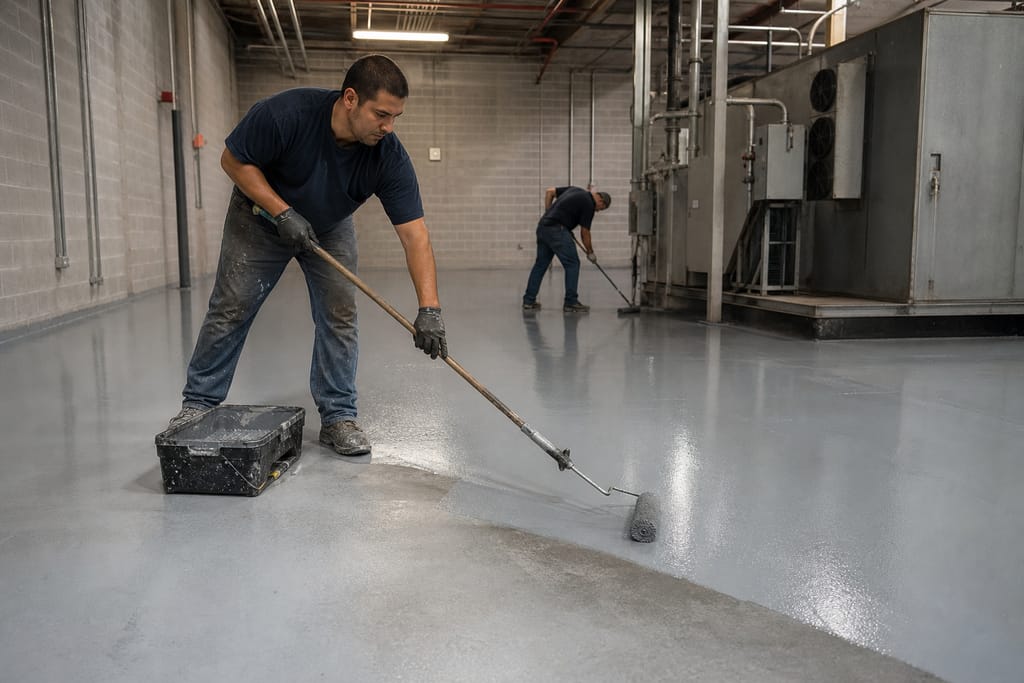
Heat-Resistant Coating
Holds its bond near equipment or processes running hot, a real concern in Tucson's already elevated ambient temperatures.
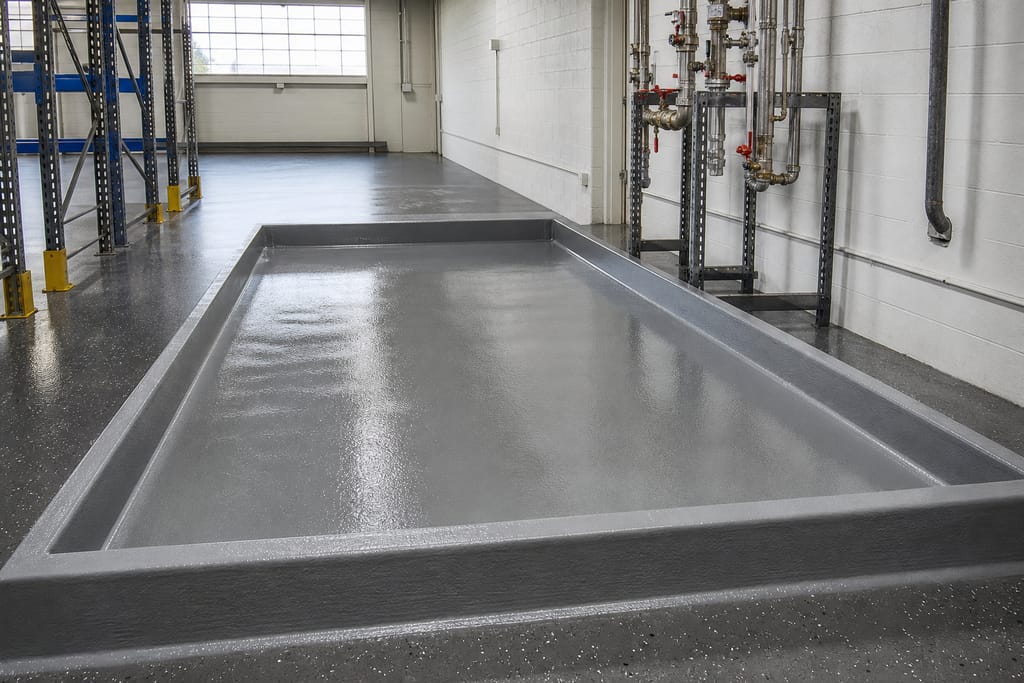
Secondary Containment Liner
Keeps spills contained within a designated area instead of spreading across the facility floor.
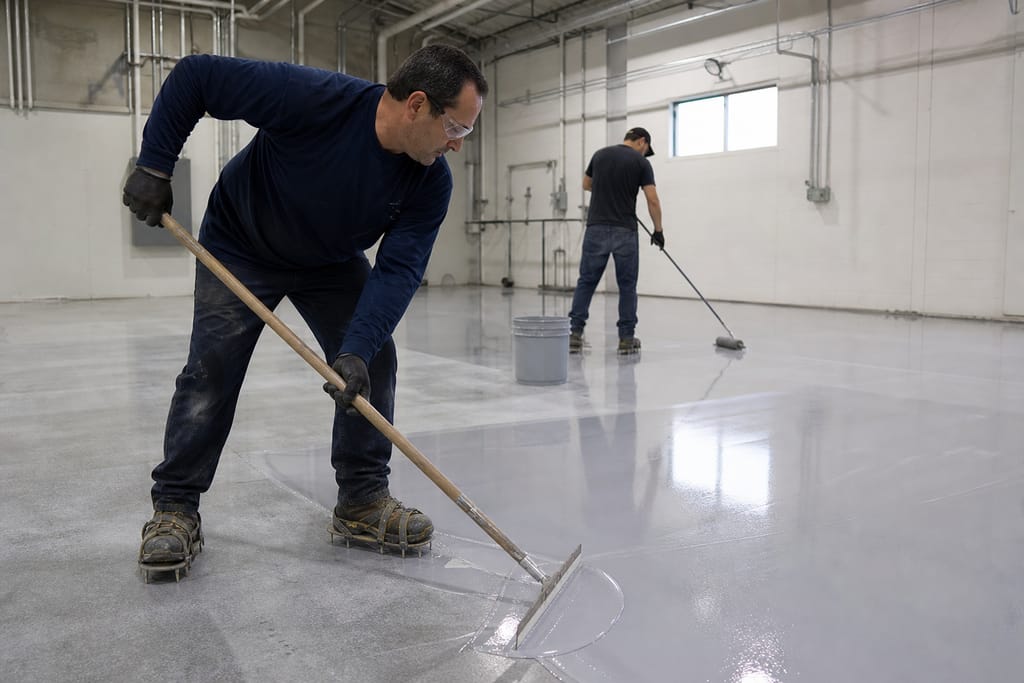
Novolac Epoxy Blend
A high-performance resin for the most aggressive chemical exposure areas in a plant.
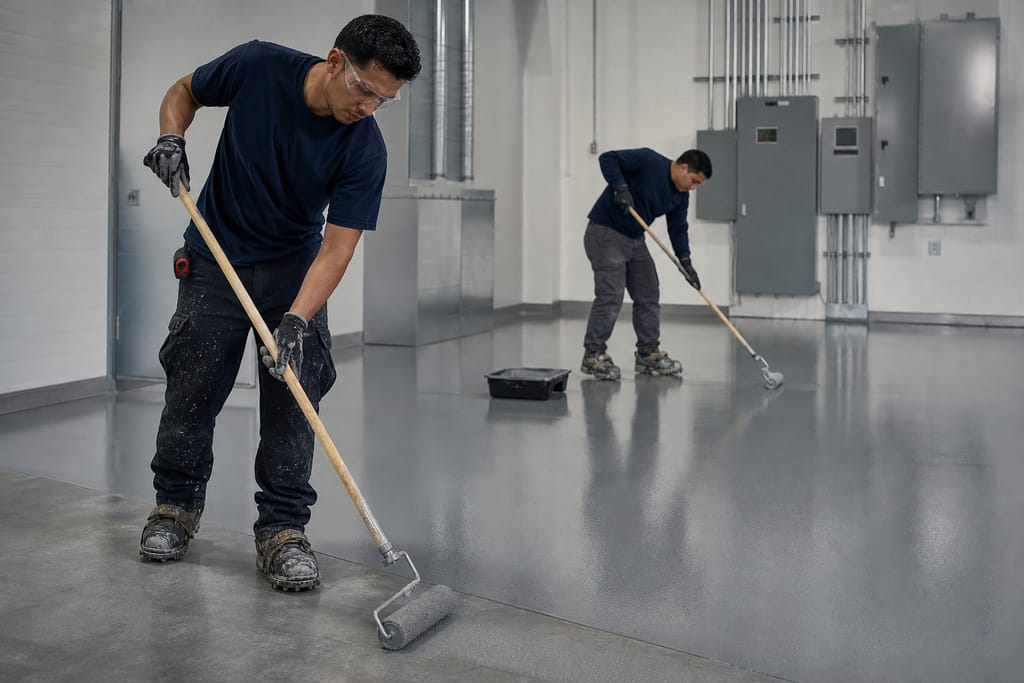
Static-Dissipative Coating
Safely discharges static buildup in areas running sensitive electronics or combustible materials.
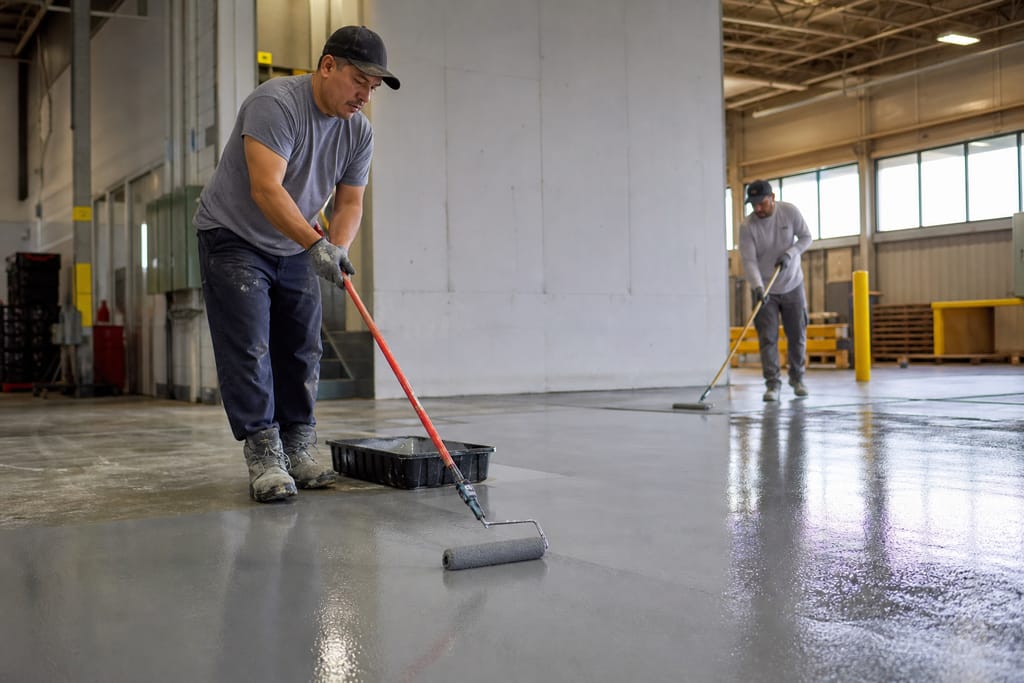
Heavy Traffic Topcoat
Formulated for constant exposure to heavy machinery, forklifts, and sustained industrial loads.
Questions on materials?
Get a Free EstimateTimeline
How long does a Industrial Floor Coating take?
Industrial jobs run on the longer side given the prep and cure requirements of chemical-resistant systems.
- 01
Process area evaluation
same day - 02
Shot blasting and prep
3 days1 to
- 03
Primer application
1 day - 04
Coating build-up
4 days2 to
- 05
Containment detailing
1 day - 06
Extended cure before full operations
7 days3 to
Need a schedule that fits?
Get a Free EstimateFAQs
Industrial Floor Coatings FAQs
Why does industrial coating take longer to cure than a garage coating?
Chemical-resistant systems and multi-layer build-ups need longer cure windows to reach full strength and resistance before heavy equipment returns.
Can you coat around equipment that can't be moved?
We work around fixed equipment and detail coating up to those boundaries, which is common in process areas.
What's the difference between a standard epoxy and a novolac blend?
Novolac resin handles more aggressive chemical exposure than standard epoxy, which is why it's reserved for the harshest process zones rather than used facility-wide.
Does industrial coating need special ventilation during application?
Depending on the product, some odor control or ventilation planning is part of the job, which we factor into scheduling.
How do you handle coating around floor drains or containment areas?
Drains and containment zones get detailed carefully with coved edges to make sure spills are directed and contained as intended.
When to call
When to call for Industrial Floor Coatings
Call Tucson Epoxy Elite or request a free estimate and we'll evaluate each zone before quoting a system.
- Current coating is breaking down from chemical or heat exposure.
- You're adding equipment or a process that changes floor exposure requirements.
- Containment areas need repair or recoating for compliance reasons.
- Visible pitting, staining, or coating failure near process zones.
Seeing warning signs?
Get a Free EstimateBefore & after
Before and after Industrial Floor Coatings
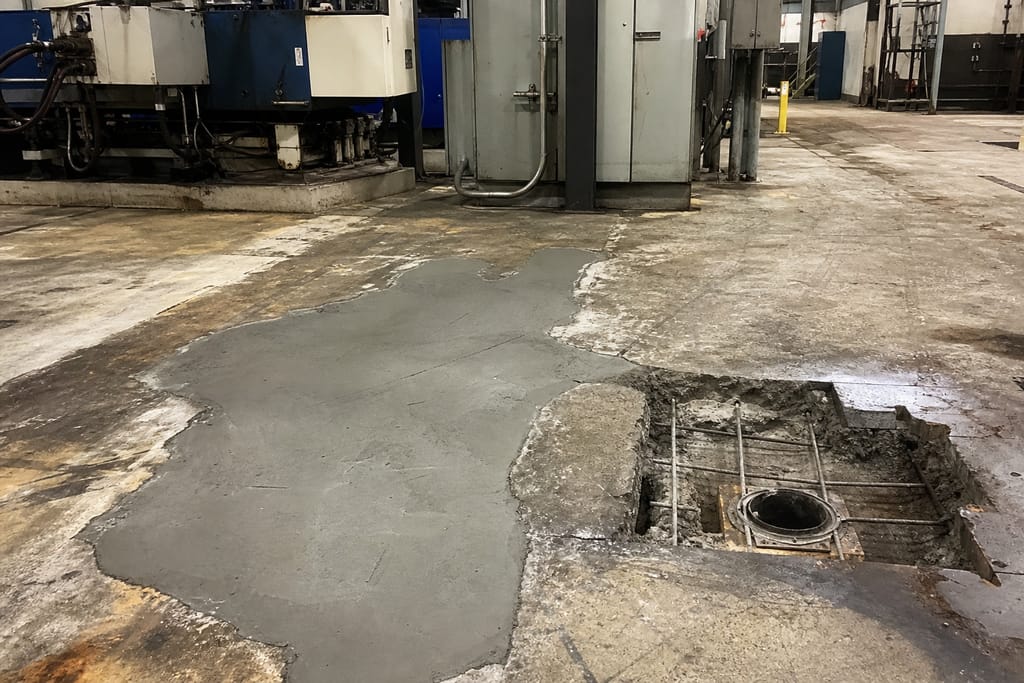
Before 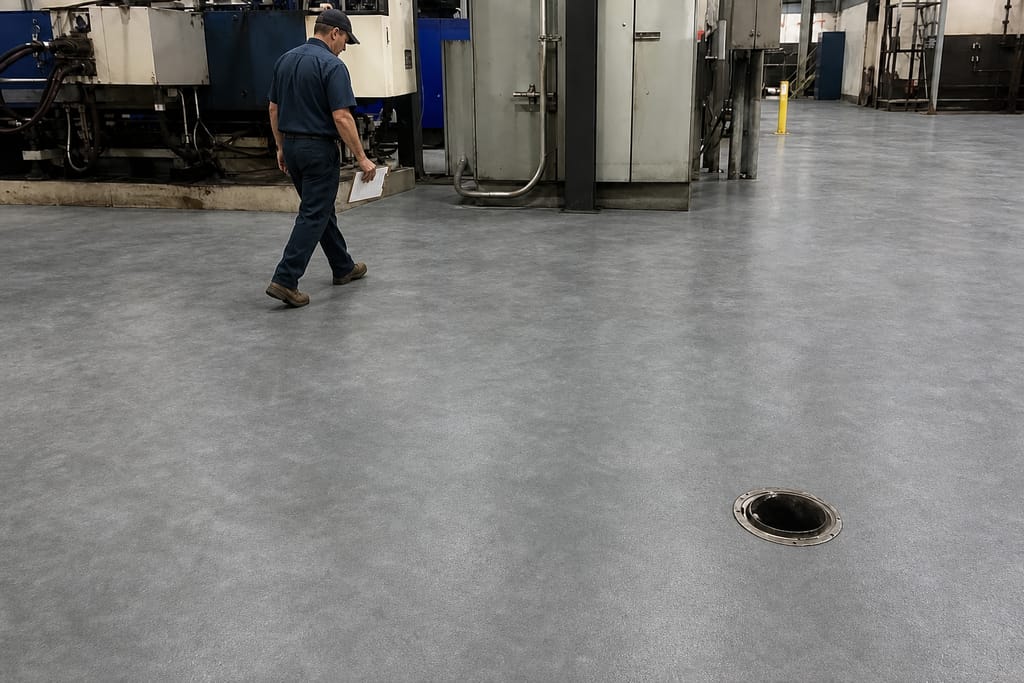
After
More services
Other Epoxy Flooring services
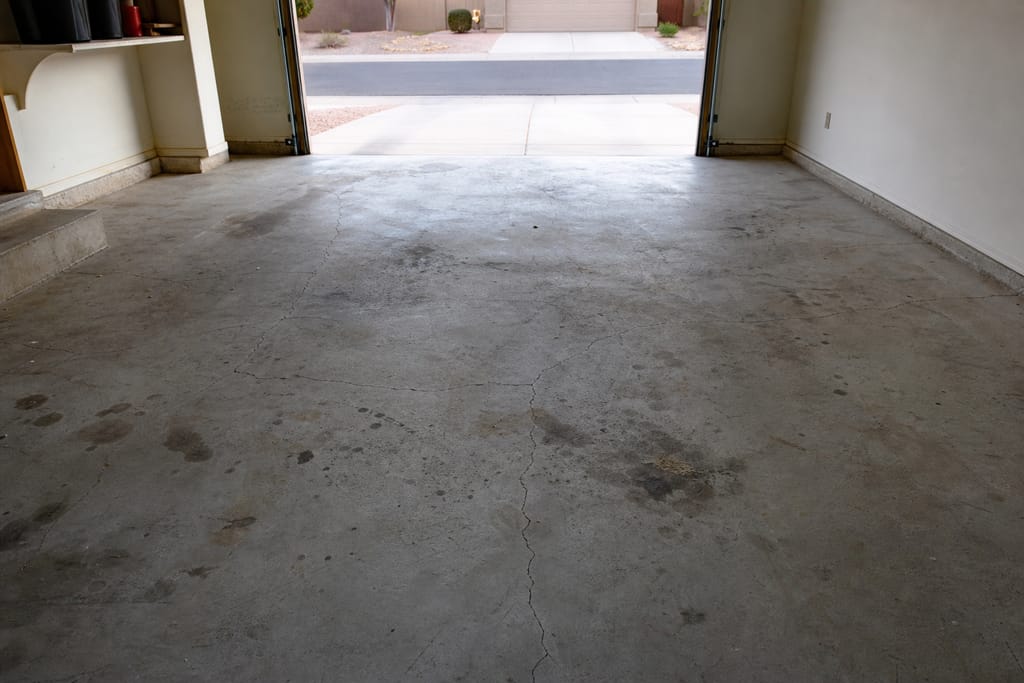
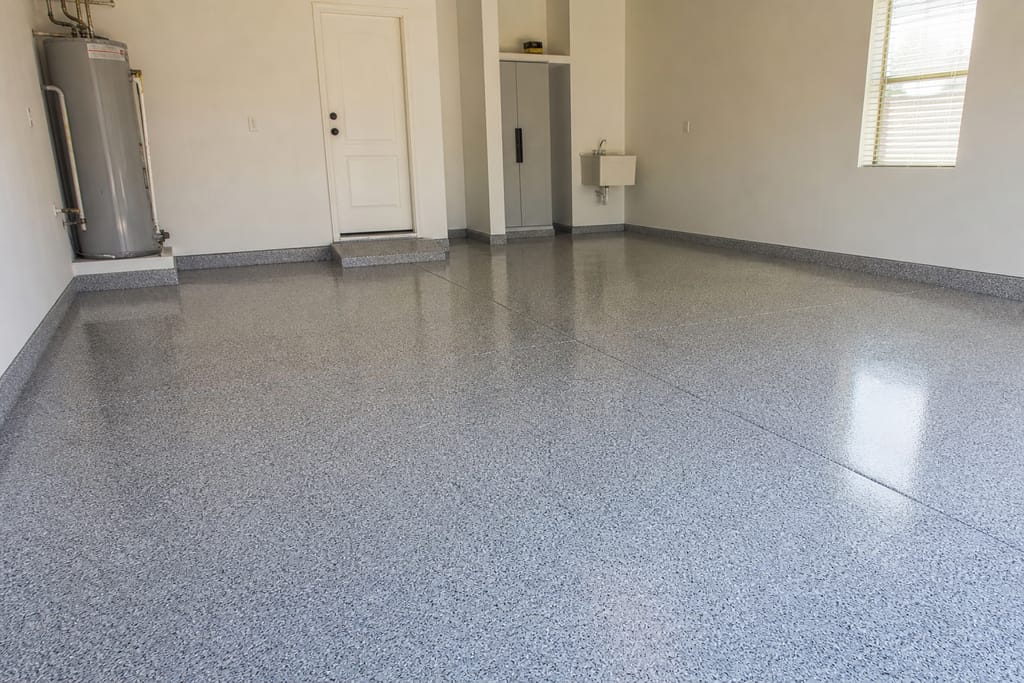
Garage Floor Epoxy Coatings
Hot-tire-resistant garage floor epoxy coatings for Tucson homes, with crack repair and flake options. Free estimates.
Epoxy Floor Coatings
Epoxy floor coatings in Tucson, AZ for interior floors, shops, and basements. Solid color or self-leveling systems. Free estimates.
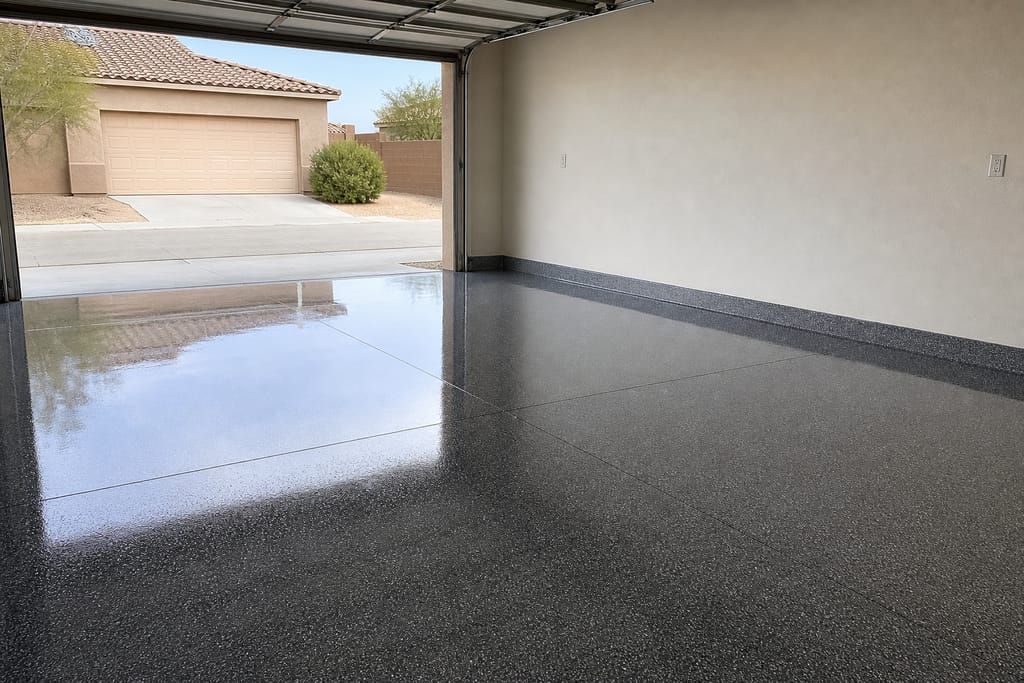
Polyaspartic Floor Coatings
UV-stable, fast-curing polyaspartic garage floor coating built for Tucson's desert heat. Free estimates from Tucson Epoxy Elite.
Ask about Industrial Floor Coatings
Tell us about the project and how to reach you.