
Tucson Epoxy Elite
Concrete Crack Repair in Tucson, AZ
Concrete crack repair in Tucson, AZ before epoxy or polyaspartic coating. Flexible fillers built for desert heat cycling. Free estimates.
- 15+ Years local experience
- 500+ Projects completed
- Licensed & Insured
Serving Tucson and nearby communities.
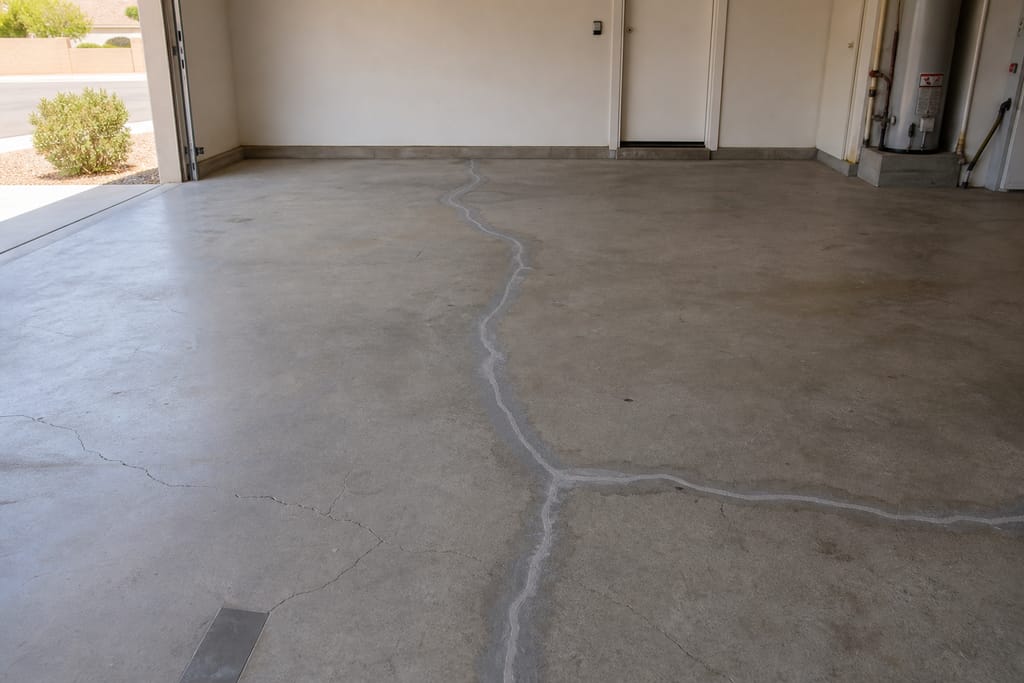
Cracks in a Tucson slab rarely stay the same size. Between summer heat pushing the concrete to expand and monsoon humidity pulling moisture back in, a hairline crack today can widen into a visible gap within a season or two. Tucson Epoxy Elite repairs cracks before any coating goes down, because a rigid filler or a skipped repair just telegraphs right back through the new finish once the slab moves again.
Crack repair is often step one on older Tucson properties, where decades of heat cycling have left slabs with more movement than a newer pour.
What's included
What's included with Concrete Crack Repair
Typically included: crack assessment, debris removal, widening where needed, filler injection, leveling flush with the surrounding surface, and final sealing. Optional: flexible polyurethane filler for active cracks, bonding agent for larger structural gaps, and matching texture finish. Customer prep: clear the area around the crack and keep pets or foot traffic off the repair during cure.
Want a clearer scope?
Get a Free EstimateHow it works
How our Concrete Crack Repair process works
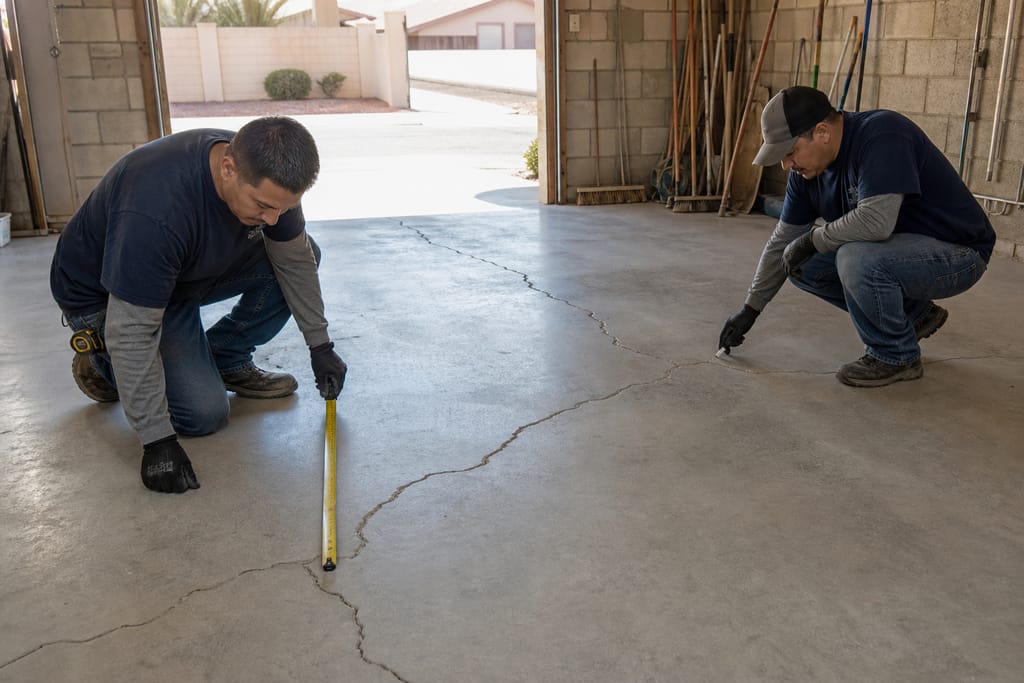 Step 1
Crack Assessment
We measure the crack and check whether it's active (still moving) or stable before choosing a repair method.
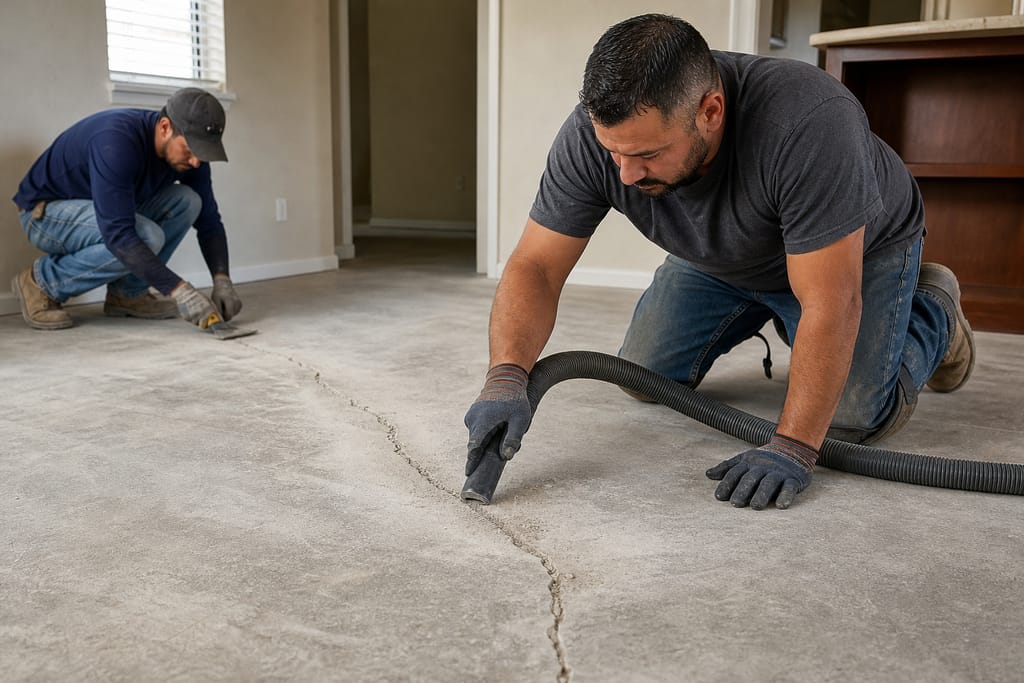 Step 2
Debris Removal
Loose concrete and dust are cleared out so the filler bonds to solid material, not debris.
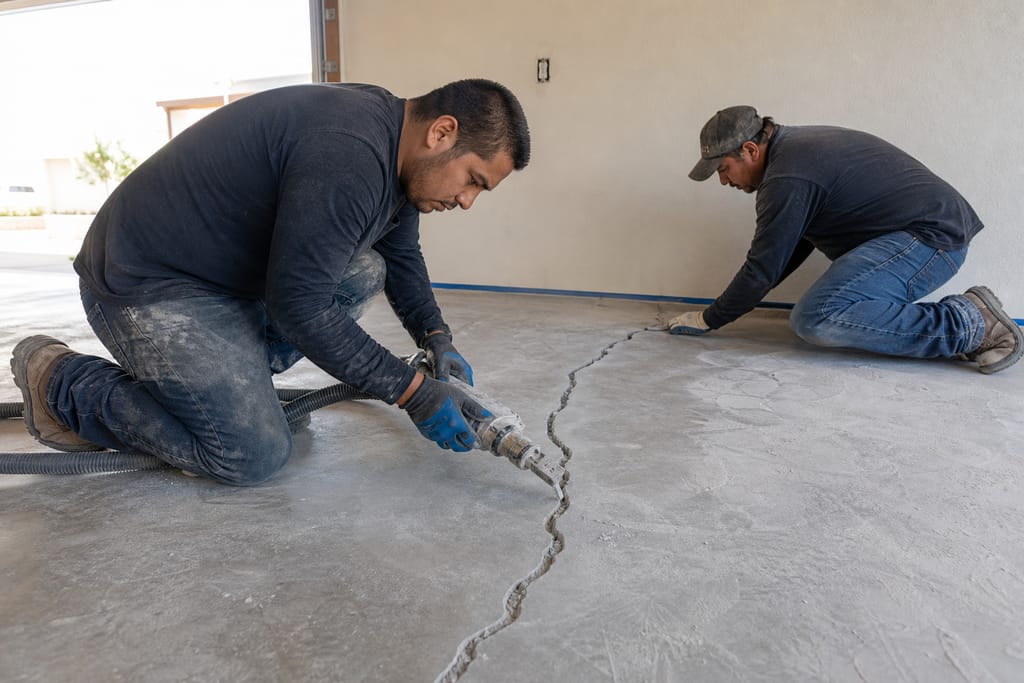 Step 3
Crack Widening
Cracks get slightly widened so repair material has room to key in and hold.
 Step 4
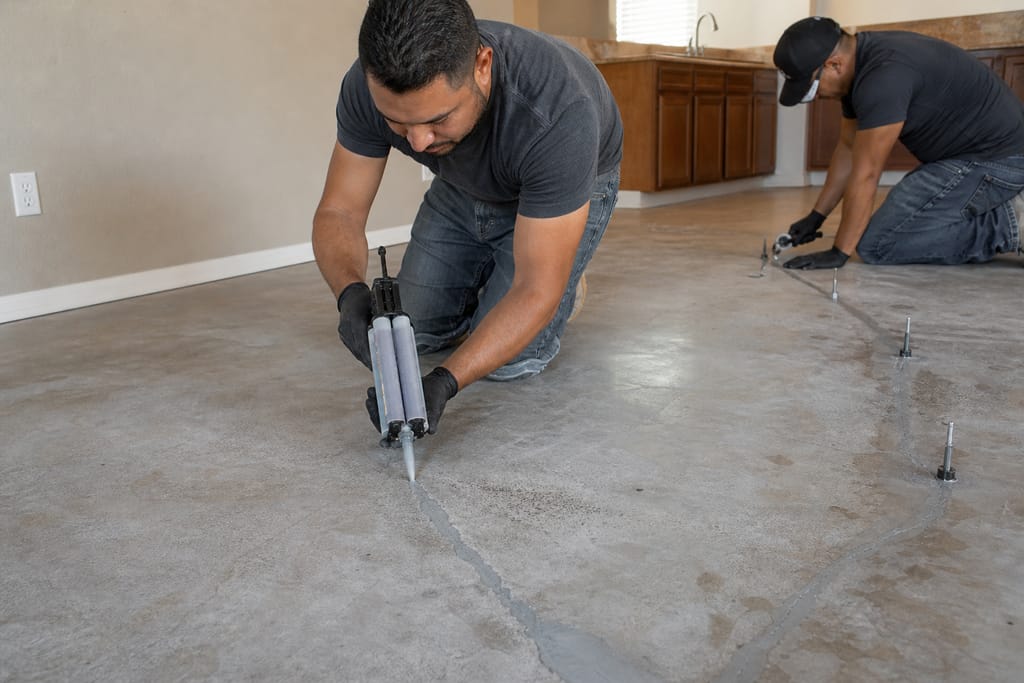
Filler Injection
Filler is injected or poured to fully fill the void, not just skim the surface.
 Step 5
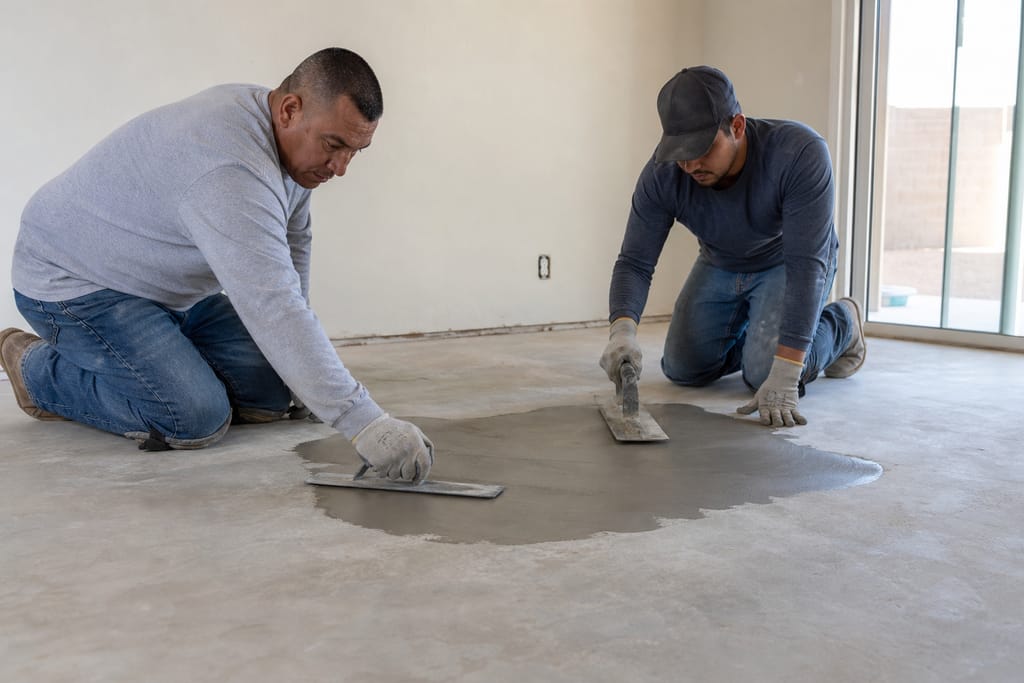
Surface Leveling
The repair is leveled flush so it won't show or catch underfoot once the coating goes on.
 Step 6
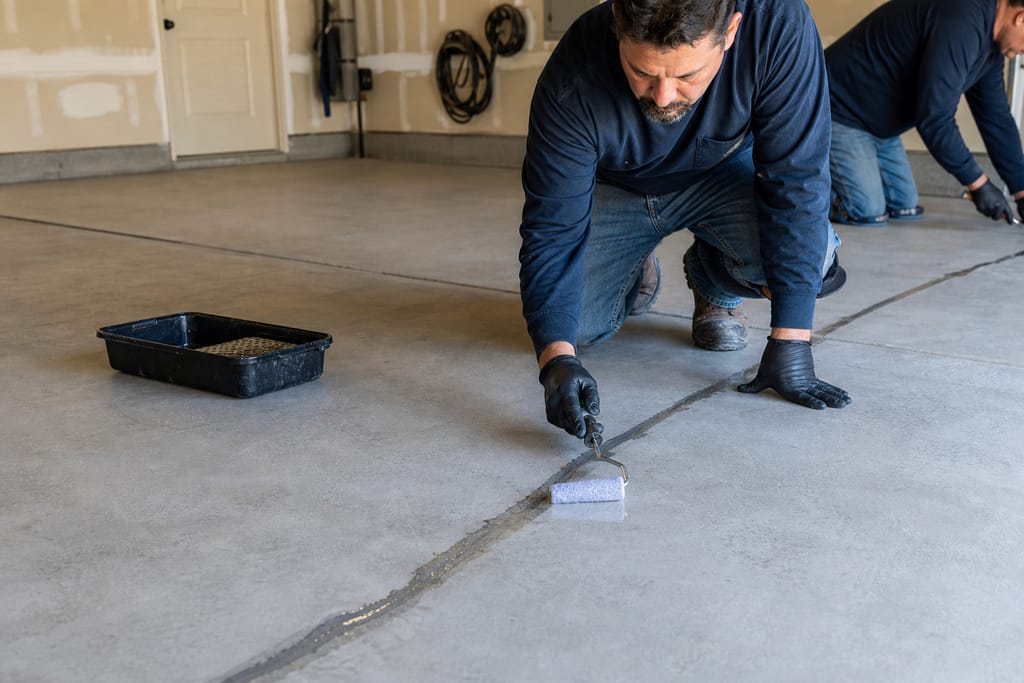
Final Sealing
A sealant caps the repair to keep moisture from working back into the crack.
Materials
Materials and methods for Concrete Crack Repair
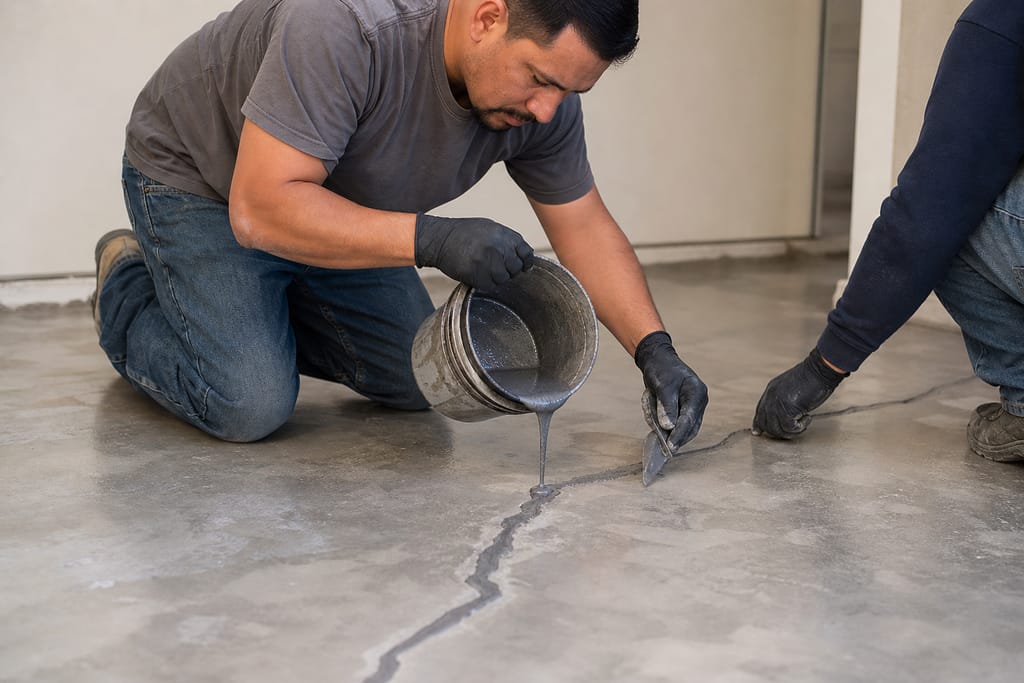
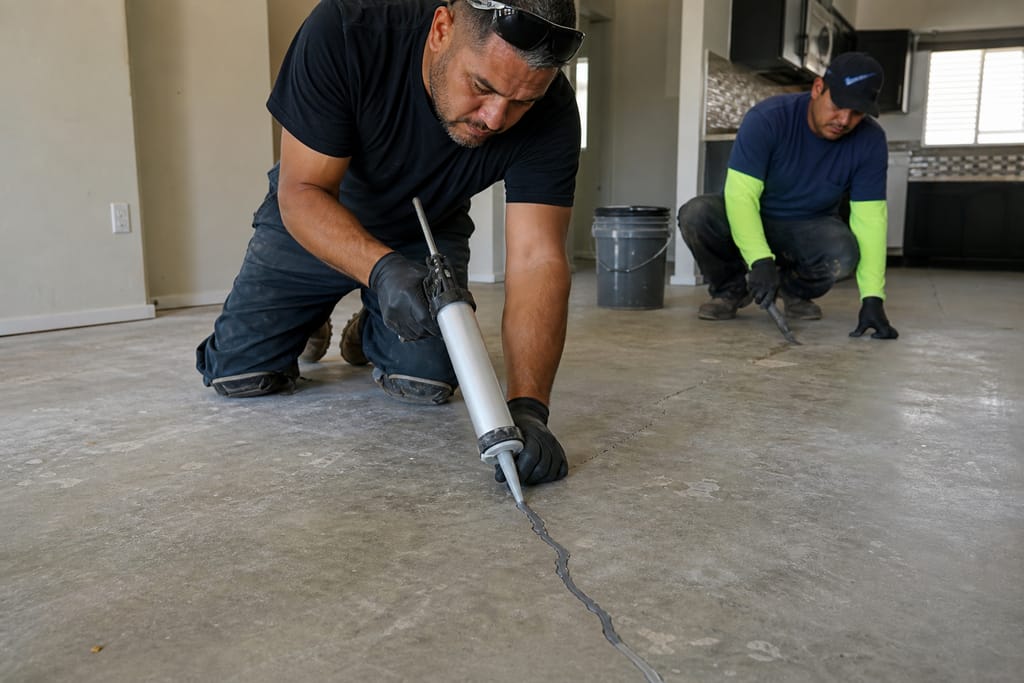
Epoxy Crack Filler
Bonds rigidly for structural cracks that aren't actively moving, restoring strength to the slab before coating.
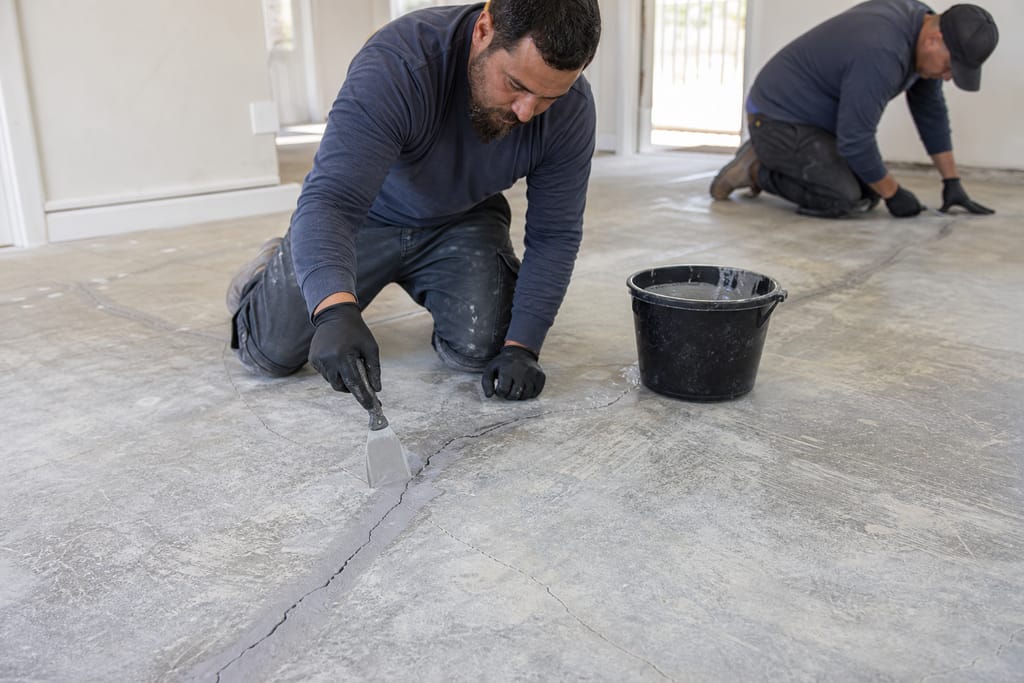
Polyurethane Crack Sealant
Flexes with Tucson's daily heat swing, the right call for active cracks that keep moving season to season.
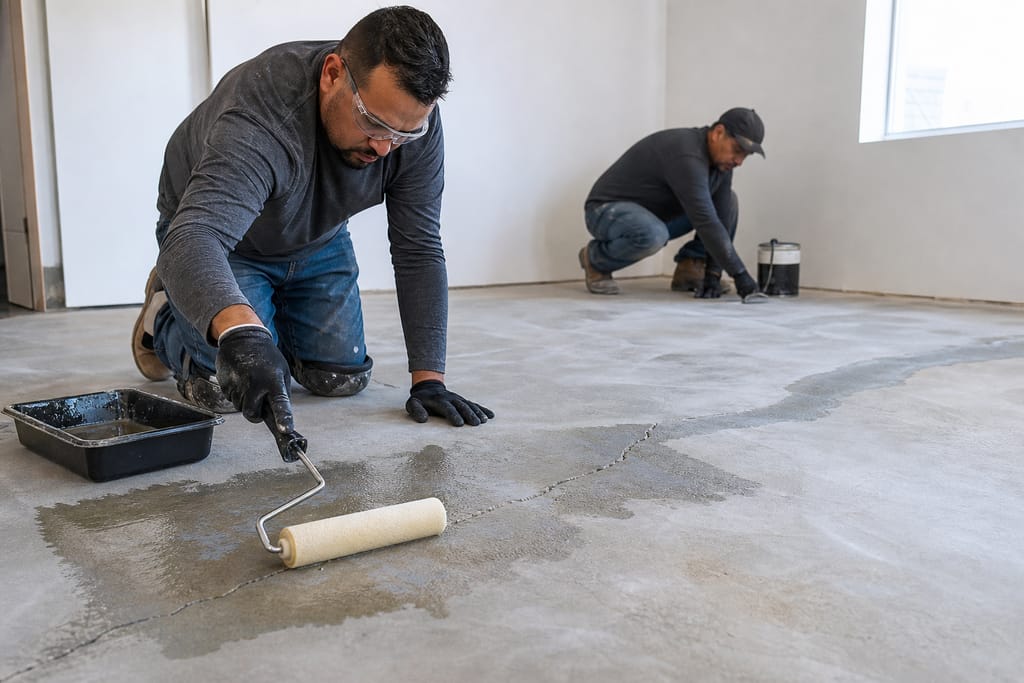
Semi-Rigid Repair Paste
Fills narrow hairline cracks common on older Tucson slabs without over-filling the surrounding concrete.
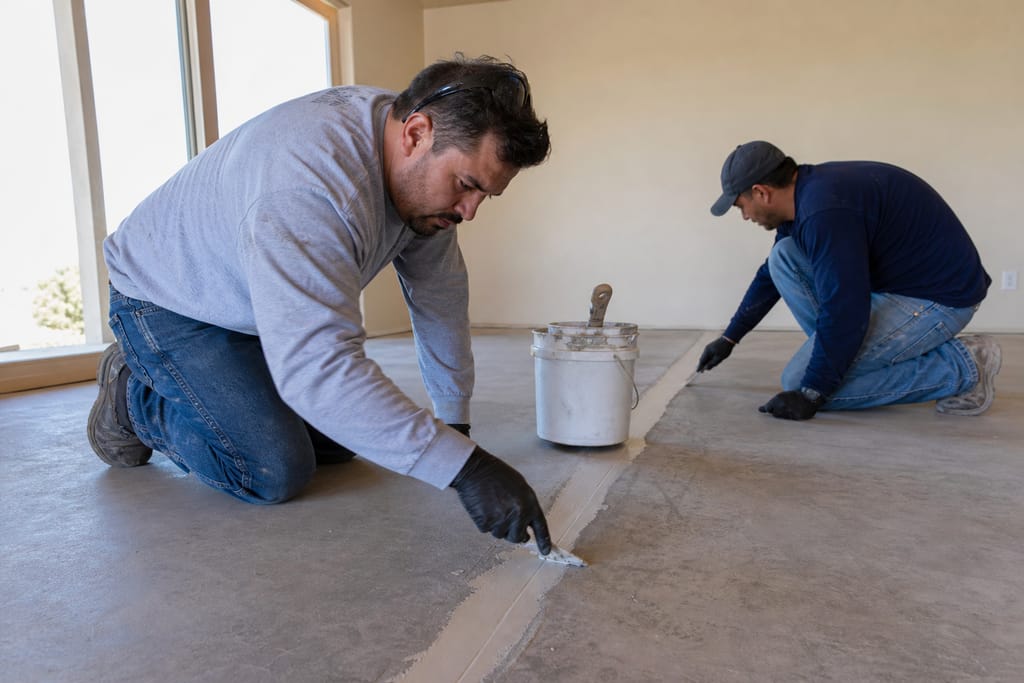
Concrete Bonding Agent
Locks new repair material to decades-old concrete so the patch doesn't separate under load.
Joint Filler Compound
Keeps control joints flexible, since rigid fillers in these spots tend to crack again within a year here.
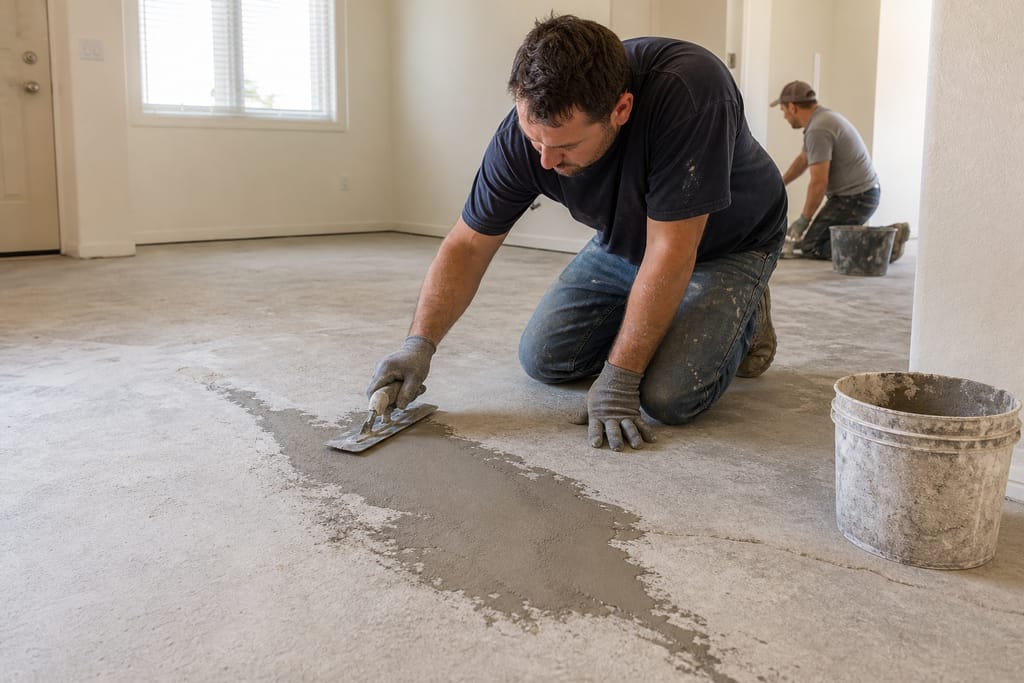
Surface Patch Mix
Blends texture back into the repair so it matches the surrounding slab before coating hides it completely.
Questions on materials?
Get a Free EstimateDIY vs pro
DIY vs hiring a pro for Concrete Crack Repair
| DIY | Hire a pro |
|---|---|
| Fine for a single hairline crack in a low-traffic area you don't plan to coat soon. | Better when the crack is wide, spreading, or sits under an area you plan to coat. |
| Box-store crack fillers are rigid and cheap, workable as a short-term patch. | Flexible pro-grade fillers matched to active vs stable cracks hold up through repeated heat cycling. |
| Risk: rigid DIY filler cracks again fast once the slab resumes its normal heat-driven movement. | Worth it when a failed DIY patch has already reappeared once, since that crack is clearly still moving. |
Not sure DIY vs pro?
Get a Free EstimateFAQs
Concrete Crack Repair FAQs
Can I just coat over a cracked slab without repairing it first?
You can, but the crack will usually reappear in the coating within a season as the slab keeps moving underneath. Repairing first gives the coating a stable base.
What's the difference between epoxy and polyurethane crack filler?
Epoxy filler is rigid and best for cracks that have stopped moving. Polyurethane stays flexible, which holds up better on cracks that still shift with Tucson's heat.
How much does crack repair typically cost?
It depends on the number and length of cracks and whether they're active or stable. We quote this as part of the overall coating estimate so there's no separate guesswork.
Will the repaired crack be visible after coating?
A properly leveled and sealed repair usually disappears under a coating, especially a flake system that adds texture and camouflages minor surface variation.
Do all cracks need repair before coating?
Not always. Very minor hairline cracks in stable areas sometimes don't need more than a light fill, which we'll tell you honestly during the walkthrough rather than upselling unnecessary work.
Before & after
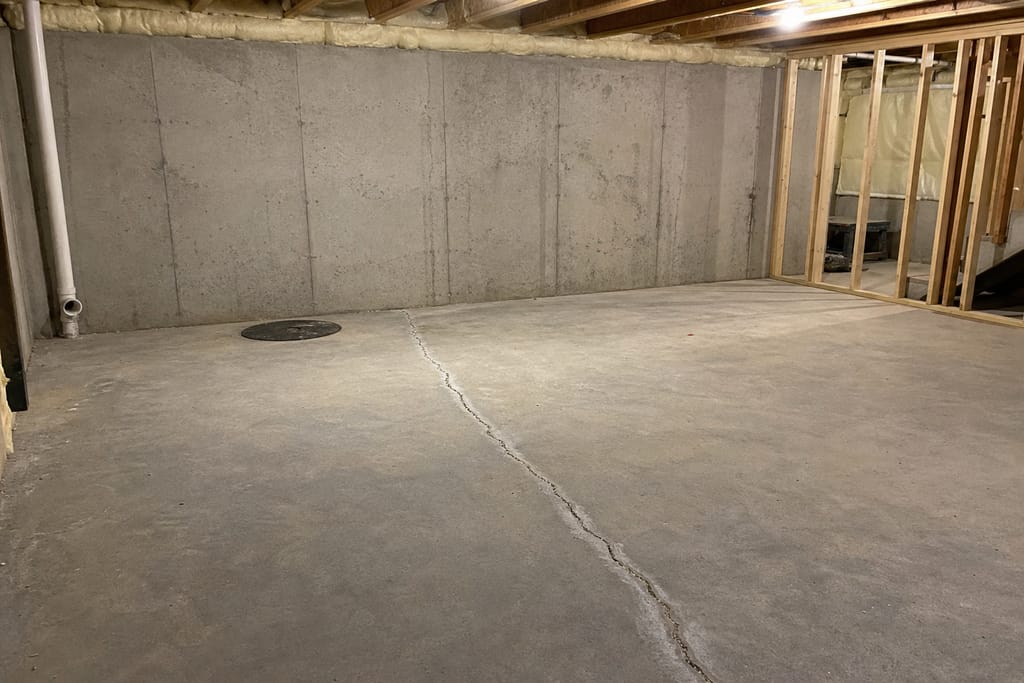
Before and after Concrete Crack Repair
Before 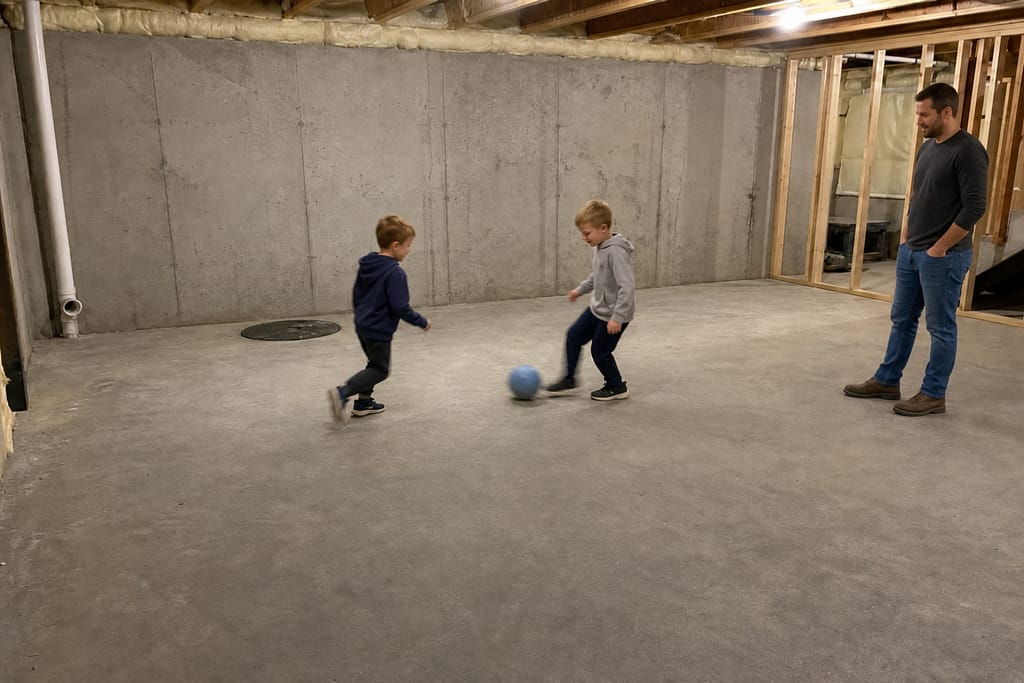
After
More services
Other Epoxy Flooring services
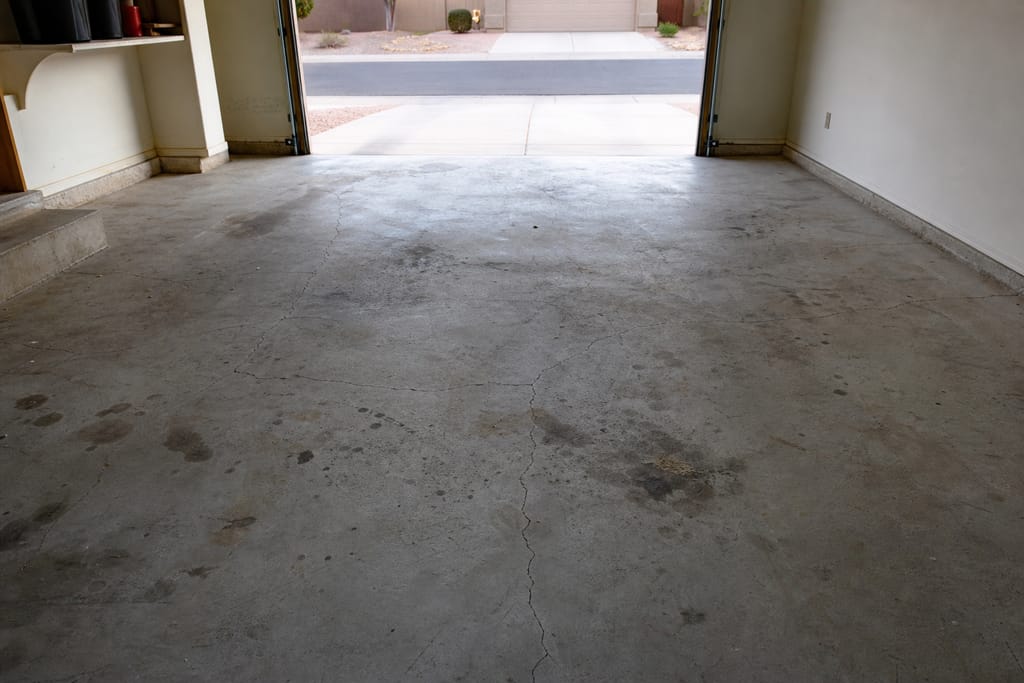
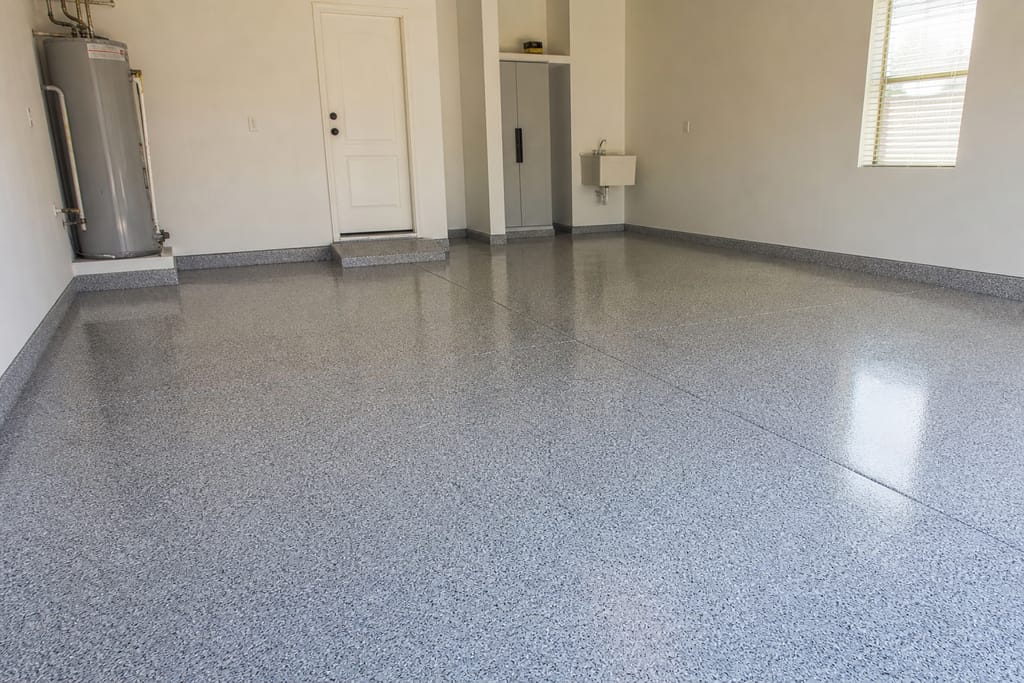
Garage Floor Epoxy Coatings
Hot-tire-resistant garage floor epoxy coatings for Tucson homes, with crack repair and flake options. Free estimates.
Epoxy Floor Coatings
Epoxy floor coatings in Tucson, AZ for interior floors, shops, and basements. Solid color or self-leveling systems. Free estimates.
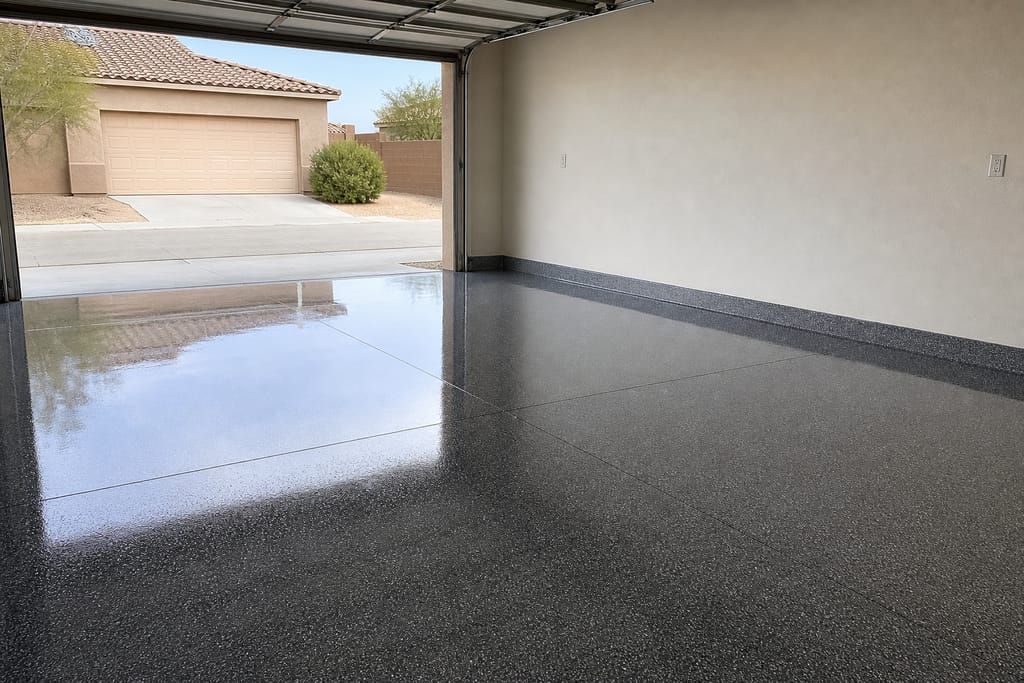
Polyaspartic Floor Coatings
UV-stable, fast-curing polyaspartic garage floor coating built for Tucson's desert heat. Free estimates from Tucson Epoxy Elite.
Ask about Concrete Crack Repair
Tell us about the project and how to reach you.